Cupboard · What you keep · 9 min read
Storm and flood: the calm plan for the week the river rises
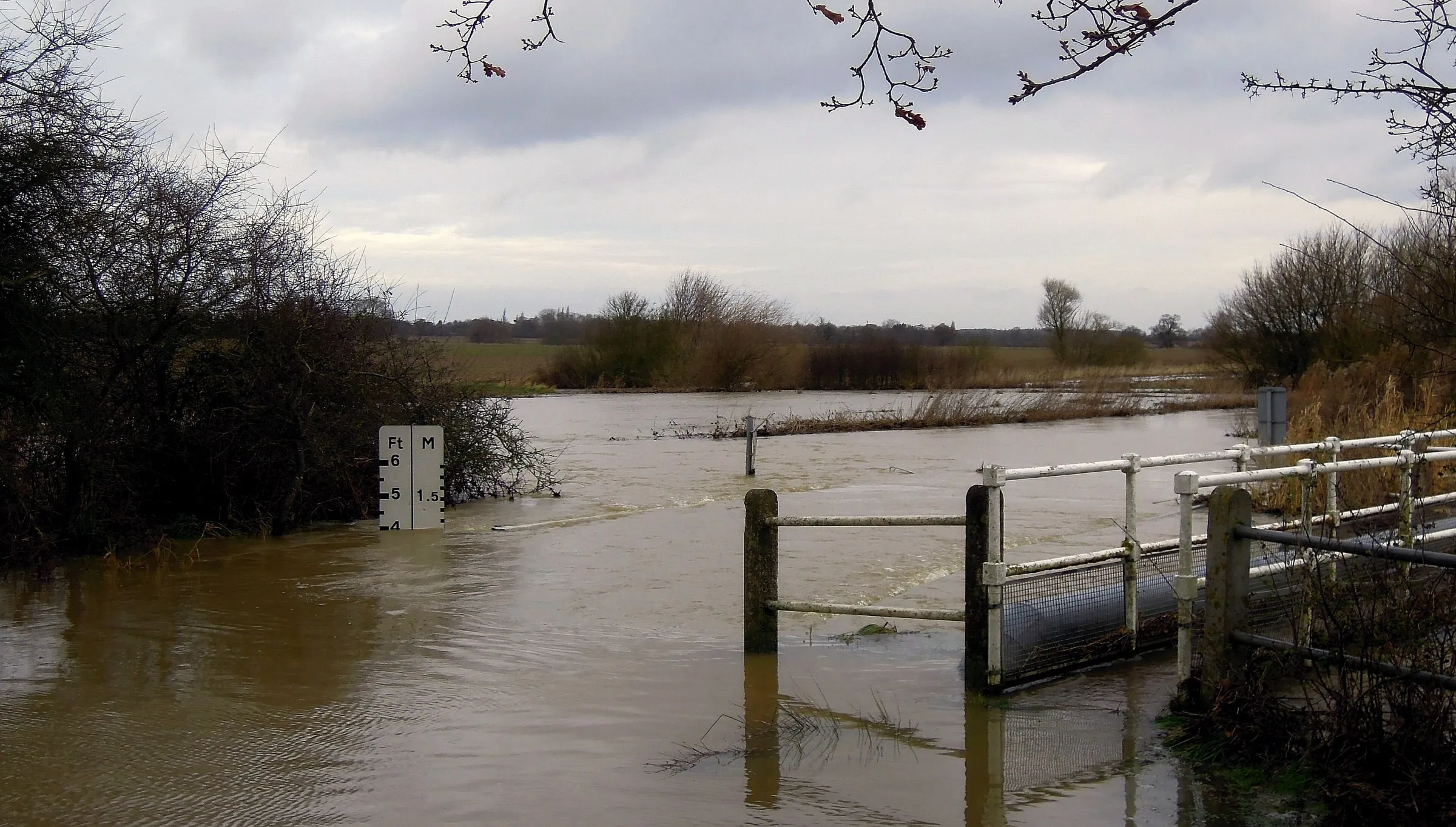

Sign up for free flood warnings, learn the difference between an alert (flooding possible) and a warning (flooding expected), and never walk or drive through floodwater. Just 30cm of flowing water is enough to move your car (Environment Agency, checked 29 Aug 2026). Storms mostly ask you to tie things down and stay in.
First, the calm bit
Rivers rarely surprise anyone. Most flooding in the UK arrives after days of forecasts, named storms and official warnings, which means you nearly always get time to prepare, and the preparing is mostly free and mostly done sitting down.
The genuinely dangerous part of a flood is not the water in your kitchen, miserable as that is. It is people walking or driving into moving water. Follow the two rules in the “during” section below and a flood becomes an insurance job rather than an emergency.
Before: sign up for the free warnings
This is the single best ten minutes of flood preparation available.
- England: the Environment Agency sends free flood warnings by call, text or email; sign up at gov.uk/sign-up-for-flood-warnings, or by ringing Floodline on 0345 988 1188, which runs 24 hours (GOV.UK, checked 26 Aug 2026).
- Scotland: register with SEPA’s Floodline service.
- Wales: sign up through Natural Resources Wales.
- Northern Ireland: there is no equivalent sign-up service listed; GOV.UK points to nidirect’s flood maps to check your risk.
One honest limitation: the service cannot warn you about surface water flooding, sometimes called flash flooding (GOV.UK, checked 26 Aug 2026), because it happens too fast to predict street by street. The government’s preparedness campaign also asks every household to check its flood risk through the national portals, even if you are nowhere near a river.
What the three warning levels mean
The wording matters, because each level asks for something different (GOV.UK flood warnings guidance, checked 26 Aug 2026).
| Level | What it means | What to do |
|---|---|---|
| Flood alert | Flooding is possible | Prepare: be ready to follow your plan, gather documents and medicines, avoid driving through any floodwater |
| Flood warning | Flooding is expected | Take action: move loved ones, pets and valuables to safety, move to higher ground or an upper floor, turn off gas, electricity and water if it is safe to do so |
| Severe flood warning | Flooding could be a danger to life | Stay somewhere safe, be ready to evacuate, follow instructions from the emergency services, and call 999 if you are in immediate danger |
An alert is the kettle-on stage. A warning is the moving-things stage. A severe warning means people, not possessions.
Preparing the house while the forecast is still just a forecast
Work top of the list down; stop when the warning level says stop.
- Photograph your insurance documents, policy numbers and the rooms of your house as they normally look. Two minutes now saves weeks of claim arguments later.
- Pack or check the go-bag: medicines, documents, chargers, a change of clothes. If you never leave, you have lost nothing.
- Learn where your gas, electricity and water shut-offs are. The government’s preparedness guidance asks every household to know how to turn all three off.
- Move what you love upwards. Photo albums, the laptop, anything irreplaceable goes upstairs or on top of wardrobes.
- Charge everything and put the power bank by the go-bag.
- Park the car out of the dip if you can, on higher ground away from the river.
During: the two rules that keep people alive
Never drive through floodwater. Just 30cm of flowing water is enough to move your car (Environment Agency, checked 29 Aug 2026). The water is always deeper and faster than it looks from the driver’s seat, and a stalled car in moving water is one of the most common ways floods kill. Turn around; the long way home is still the short way.
Never walk through it either. GOV.UK’s flood warning guidance gives the rule without a depth attached: avoid walking, cycling or driving through any flood water (GOV.UK, checked 29 August 2026). Moving water hides lifted manhole covers, sharp debris and steep drops, and UKHSA warns that “floodwater can contain harmful pollutants or contaminants hazardous to humans and animals” (UKHSA, checked 29 August 2026). There is no depth at which it becomes a reasonable shortcut. [VERIFY: the widely quoted “15cm of fast-flowing water can knock you off your feet” figure is deliberately left out — on 29 August 2026 it could not be found on any Environment Agency, Floodline or GOV.UK page, only on council pages repeating it; restore it only if an Environment Agency source is found]
Inside the house, if water is actually coming in: turn off the electricity at the fuse box if it is safe to reach dry-handed, turn off the gas and water too, and move everyone upstairs with the go-bag, phones and something to do. Do not stay on the ground floor to bail with buckets. If the water keeps rising or anyone is in danger, call 999.
After the water goes down
Ring your insurer before you clean anything; they will tell you what evidence they need and whether they can arrange help. Photograph everything, every room, every ruined item, before it goes in a skip.
Treat everything the water touched as contaminated. UKHSA’s public advice says “the use of rubber boots, protective overalls or waterproof apron, and waterproof gloves are important to avoid exposure to floodwater”, and adds a standard face mask and eye protection such as goggles if scrubbing or hosing is going to splash. It asks you to “thoroughly wash your hands with warm water and soap after each cleaning session and contact with flood water”, and if the water supply is disrupted, to use bottled water to wash your hands (UKHSA, checked 29 August 2026).
The same guidance covers the kitchen and the washing. Clean and disinfect countertops, all crockery and cooking items before using them with food, discard any wooden boards and utensils floodwater has touched, and wash clothing, bedding and toys on a 60°C cycle with detergent (UKHSA, checked 29 August 2026). Drying a flooded house takes far longer than feels reasonable, so pace yourself and take the offers of help.
If your tap water looks or smells wrong afterwards, or your water company issues a boil notice while the network recovers, the water guide covers exactly what to do.
Storms: mostly a tie-down exercise
The Met Office issues weather warnings up to seven days ahead for rain, thunderstorms, wind, snow, lightning, ice, extreme heat and fog, in three colours (Met Office, checked 26 Aug 2026). Yellow means possible low-level disruption, and is worth actually reading, because yellow covers a wide range. Amber means an increased likelihood of impacts, including power cuts and potential risk to life and property. Red means dangerous weather is expected and a risk to life is very likely; change your plans.
A storm gets a name when it could cause disruption or damage that might lead to an amber or red warning, and the Met Office shares the naming list with Met Éireann and KNMI, which is why some named storms arrive via Ireland or the Netherlands (Met Office, checked 26 Aug 2026).
Before the wind arrives: trampoline upside down and tied to something solid, garden furniture in or flat against a wall, bins where they cannot roll, gates latched, car away from big trees if you have the option. During: stay in, keep away from the windows during the worst of it, and save the trampoline rescue for tomorrow. If the power goes off, that has its own calm plan: the power cut guide, and 105 is the free number to report it.
What this asks of your body
A flood warning turns into a removals job at speed: sofas tipped upstairs, boxes of books carried up two flights, all of it in a hurry and probably in the rain. The clean-up afterwards is days of lifting, scrubbing and hauling. The five ready body tests take ten minutes and tell you whether your body is ready to move a living room before the water arrives.
Frequently asked questions
What is the difference between a flood alert and a flood warning?
A flood alert means flooding is possible, so prepare: documents, medicines, plan. A flood warning means flooding is expected, so take action: move people, pets and valuables, and turn off utilities if safe. A severe flood warning means possible danger to life (GOV.UK, checked 26 Aug 2026).
Can I drive through floodwater if it looks shallow?
No. Just 30cm of flowing water is enough to move your car (Environment Agency, checked 29 Aug 2026), and you cannot judge depth or current from the driver’s seat. Cars stalled in floodwater are a leading cause of flood deaths. Turn around and go the long way.
Is still floodwater safe to walk through?
Treat it as unsafe. Still water hides lifted manhole covers, sharp debris and steep drops, and UKHSA says floodwater can contain harmful pollutants or contaminants hazardous to humans and animals (UKHSA, checked 29 August 2026). GOV.UK’s advice is to avoid walking, cycling or driving through any flood water.
Where do I get sandbags?
It varies by council: some provide them during a flood, others expect you to buy your own from a builders’ merchant. Check your council’s website today, while it is dry, so you know which kind of council you have before you need the answer.
How do I sign up for flood warnings in Scotland, Wales or Northern Ireland?
Scotland registers through SEPA’s Floodline, Wales through Natural Resources Wales, and both are free. Northern Ireland has no listed sign-up service; GOV.UK points to nidirect’s flood maps to check risk instead (GOV.UK, checked 26 Aug 2026). England signs up at gov.uk/sign-up-for-flood-warnings.
What do yellow, amber and red weather warnings mean?
Yellow: possible low-level impacts, some travel disruption, worth reading in full. Amber: increased likelihood of impacts, potentially including power cuts and risk to life and property. Red: dangerous weather expected and a risk to life very likely (Met Office, checked 26 Aug 2026), so change your plans.
We are nowhere near a river. Can we skip all this?
Check first. The government’s preparedness campaign asks every household to check its flood risk through the national flood maps, because surface water flooding after heavy rain can happen well away from rivers, and it is the one type the warning services cannot predict street by street.
Sources & review
- Sign up for flood warnings, GOV.UK: the free England service, contact methods, Floodline number, links for Scotland, Wales and Northern Ireland, surface water limitation. Checked 26 August 2026.
- Flood alerts and warnings: what they are and what to do, GOV.UK: the meaning of alert, warning and severe warning, the actions for each, and “avoid walking, cycling or driving through any flood water”. Re-checked 29 August 2026, and it carries no depth figure in centimetres.
- Environment Agency flood warning press release, GOV.UK: “just 30cm of flowing water is enough to move your car”. Re-checked 29 August 2026; this release gives no figure for water knocking a person off their feet.
- Flooding and health: advice for the public, UK Health Security Agency: floodwater contamination, protective clothing, handwashing, kitchen cleaning and washing textiles at 60°C. Checked 29 August 2026.
- Weather warnings guide, Met Office: yellow, amber and red warning meanings and the weather types covered. Checked 26 August 2026.
- UK Storm Centre, Met Office: when and how storms are named. Checked 26 August 2026.
- Get prepared for emergencies, UK Government: checking flood risk, knowing how to turn off gas, electricity and water, flood insurance. Checked 26 August 2026.
Reviewed by: TBC. Review date: 29 August 2026. The one item marked [VERIFY] records a figure we chose not to publish, not a claim awaiting proof.