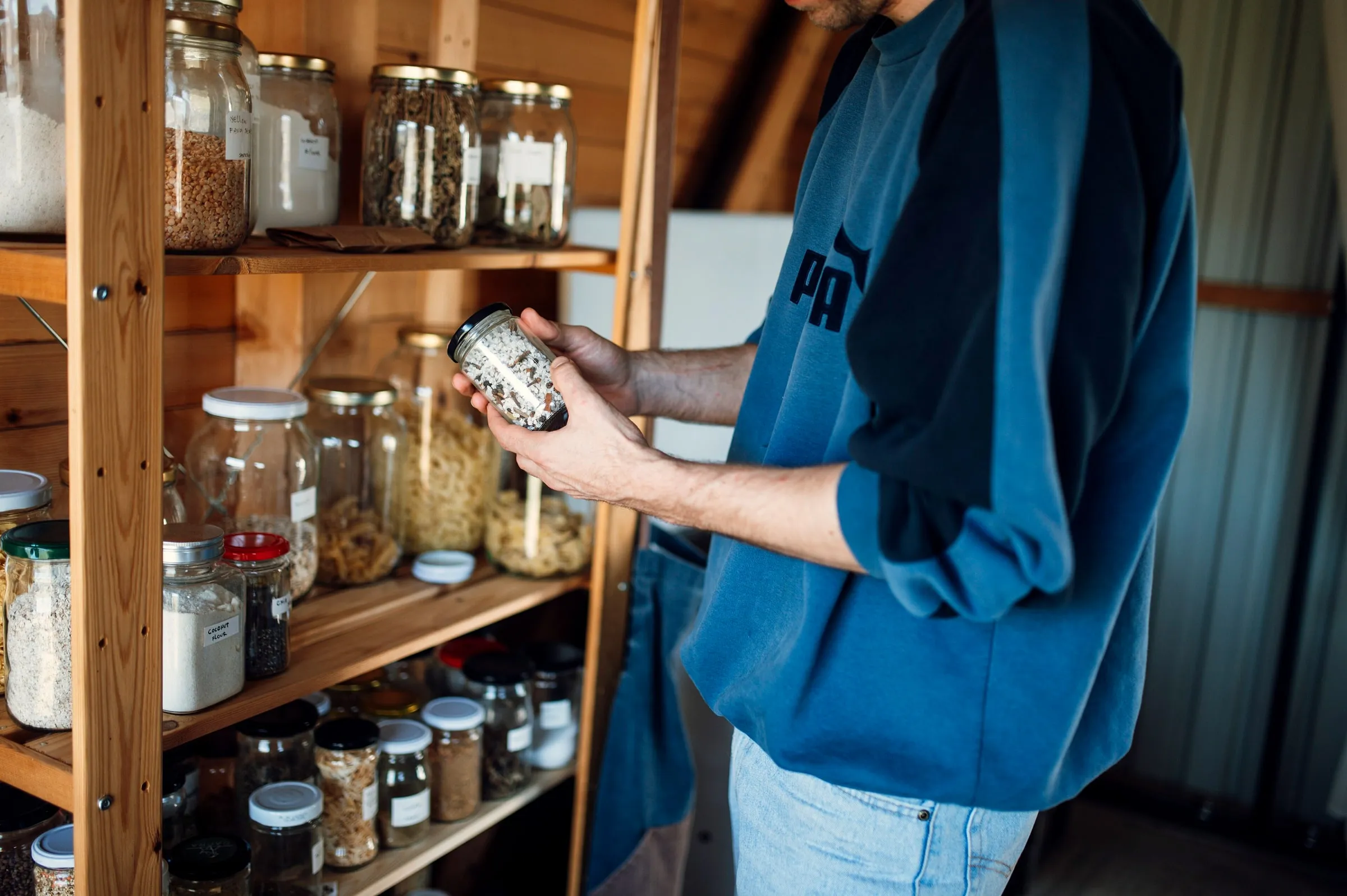
Cupboard
What you keep. The 72-hour home kit, the go-bag, the car kit.
- Water: 9 litres per person, stored somewhere cool
- Tins you'd actually eat cold, and a tin opener
- Torch, radio, batteries, power bank
- Medicines, first aid, baby, pets

The calm UK guide to being ready
Three days of supplies, six months of calm, and a body that can cope. Plain, sourced advice for normal households — what to keep, what to save, what to practise — with none of the fear.
Independent. Every figure cites GOV.UK, NHS, WHO, the Met Office or the Environment Agency. Reviewed by named people. No ads. No bunkers.
Our baseline is the Government's own Prepare guidance. We just make it doable.
Ready in three places
Everything on this site lives in one of three places. Sort those, in that order, and you've done more than most of the country.
What you keep. The 72-hour home kit, the go-bag, the car kit.
What you can absorb. Money and paperwork that keep a bad week from becoming a bad year.

What you can do. Strength to carry, legs to walk, hands that know first aid.
Ready Body · the pillar nobody else has
Every real emergency in Britain looks the same up close: carrying water up stairs, walking home when the trains stop, lifting a neighbour, being on your feet for a long day. Five simple tests tell you whether your body is ready. Then we get you there, twelve weeks at a time.
TEST 1 · CARRY
15–20 kg up two flights of stairs without putting them down. That's most of a week's water for one person.
Pass: no stop, no strain
TEST 2 · WALK
The distance most people would need to cover if transport stopped. Brisk, not a march.
Pass: 60 min or under
TEST 3 · GET UP
The clearest everyday marker of leg strength and balance, and the one that keeps you independent.
Pass: both sides, unaided
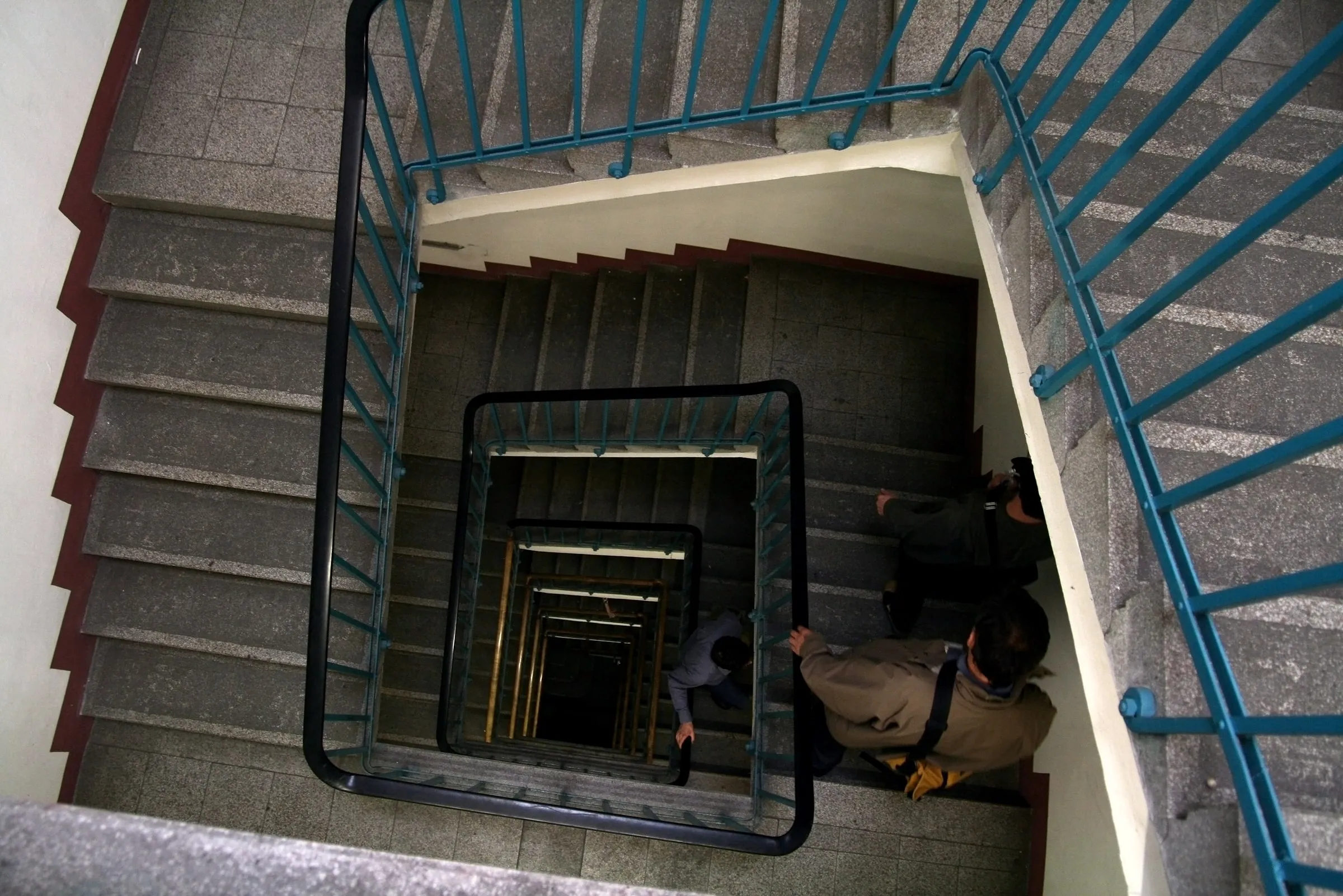
TEST 4 · CLIMB
Lifts stop in power cuts. Ten storeys of stairs and you can still hold a conversation at the top.
Pass: conversation intact
TEST 5 · HANG ON
Grip is the strength you use to hold, pull, carry and steady. It's also the one that fades first.
Pass: 30 s dead hang
None of this needs a gym. The NHS asks adults for 150 minutes of moderate activity a week plus strength work on two days — the Ready Body programme is simply that guidance, organised around the five tests, with progressions for people in their thirties and people in their seventies. Written by people who run a functional-fitness gym for a living, reviewed against the official guidance, and free to start.
This week's move
Two bags of tins, one in each hand, walk to the end of the road and back. Add a tin a week. In three months you'll carry a week of water up the stairs without thinking about it.
This weekend · under £100
Tick them off as you go. Prices are typical UK supermarket prices in August 2026 and are checked monthly.
Even among households that have made a start, only 23% did anything further in the last three months (LINK Cash Index, 2026). This list takes an afternoon.
Some links on our kit pages earn us a small commission at no cost to you. We choose the kit first and add the link second, and we say so on every page.
Guides
Boil water notice UK or no water in the house? A calm, step-by-step plan for the first hour, day and week, including bottled water stations and your rights.
ScenarioA calm plan to prepare for flooding in the UK: free flood warnings, what the three warning levels mean, floodwater rules, storms and the clean-up.
ScenarioHow to prepare for a power cut: what actually goes off, the free 105 number, fridge and freezer timings, safe heat and light, and compensation rules.
CapabilityFive self-checks for fitness for emergencies: carry, walk, get up, climb and hang on. Pass standards, what each tells you, and a 4-week plan if you can't yet.
CupboardA calm, sourced guide to building a home emergency kit UK households actually need: water, tins, torch, radio, cash and more, in three budgets from £60 to £600.
CushionFlood alerts sign up, Met Office weather warnings, Emergency Alerts and power cut updates: every free UK warning service and how to register.
CushionHow much cash to keep at home in the UK: around £100 in small notes, somewhere sensible. Why fives and tens beat twenties, and what insurance covers.
CupboardHow to build an emergency food supply UK households will actually eat: ordinary supermarket tins, a costed three-day menu, and painless rotation.
The Ready Brief · Thursdays
Three minutes to read. No fear, no affiliate stuffing, no urgency theatre. Just the calm version of the week.
A sample issue · what Thursdays look like
The Met Office has an amber heat-health alert for the south from Friday afternoon. Fill some bottles and put them in the fridge tonight; the tap water stays fine.
One thing: put the water company's number in your phone. Two minutes.
One move: the shopping-bag carry, twice this week.